
The London 90-Night Rule Explained (and How to Keep Earning)
22 October 2026 · 5 min read
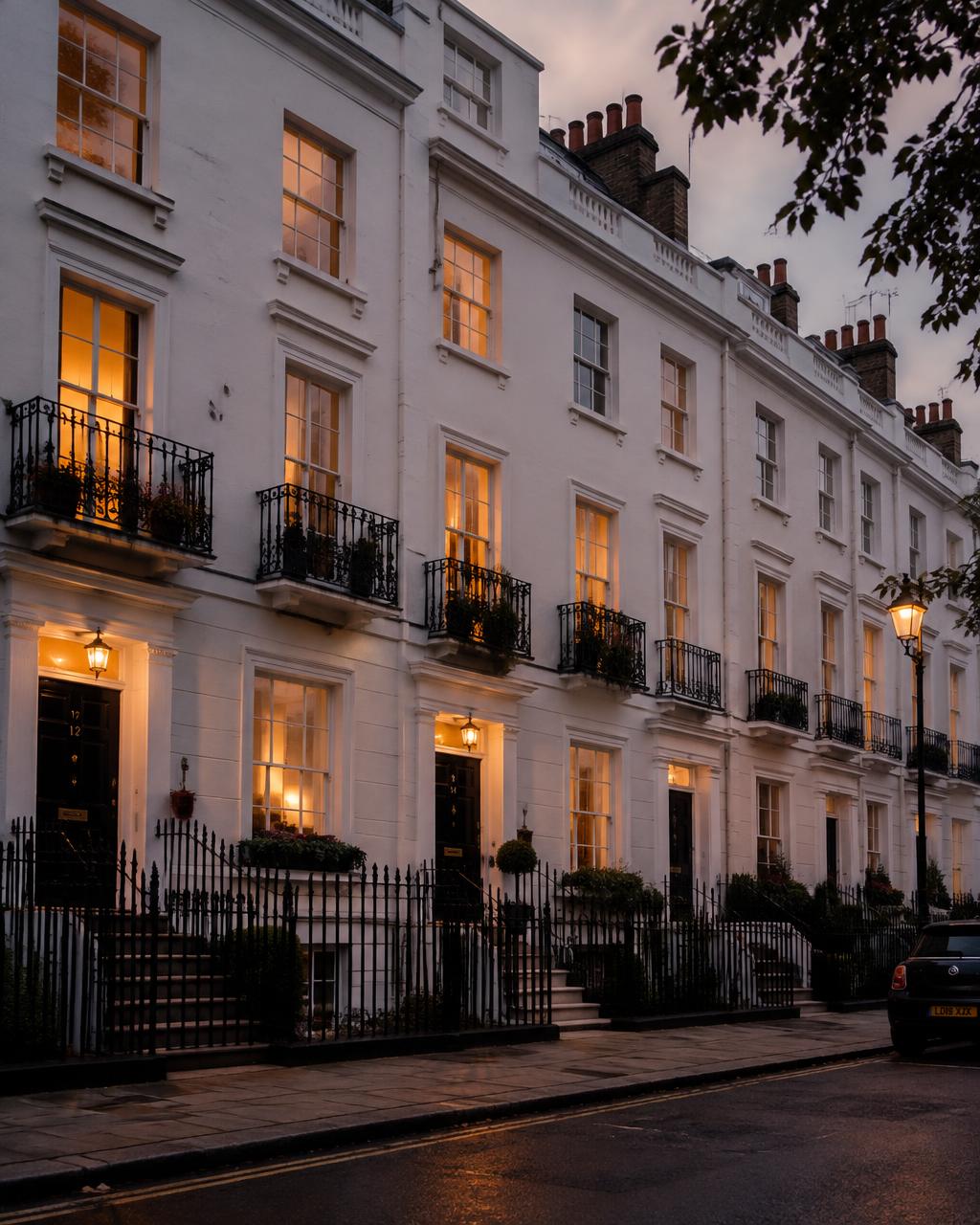
If you are thinking about letting your London home on Airbnb, the first rule you will hear about is the 90-night limit. Here is what it means in practice.
What is the 90-night rule?
Under the Deregulation Act 2015, homes in Greater London can be used for temporary sleeping accommodation — short lets of less than 90 consecutive nights — for a maximum of 90 nights per calendar year without planning permission. Going beyond 90 nights counts as a change of use and needs permission from your local borough.
Who does it apply to?
- It applies to entire homes let on short stays in Greater London
- It does not apply when you rent a room while you live in the property
- Airbnb automatically limits entire-home listings in London to 90 nights per year unless the host confirms permission
- The count resets every calendar year
How to keep earning after 90 nights
Medium-term lets of 90 consecutive nights or more fall outside the short-let limit. Many owners combine peak-season short stays with medium-term stays for professionals, students, relocating families and people between homes. This keeps occupancy steady all year.
Other things to check
- Your mortgage lender's consent
- Your lease, if you own a leasehold flat
- Specialist short-let insurance
- Fire and gas safety requirements
Rules can change and every property is different, so always check with your borough for your specific situation. We track nights for every home we manage and plan a compliant mix of stays for you.